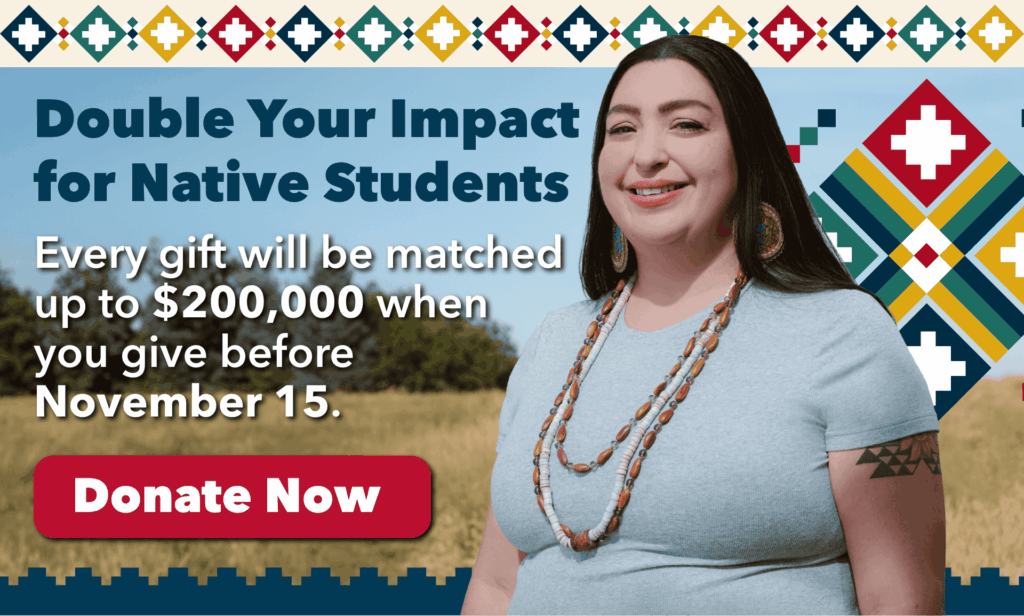
Meet Our Student Ambassadors

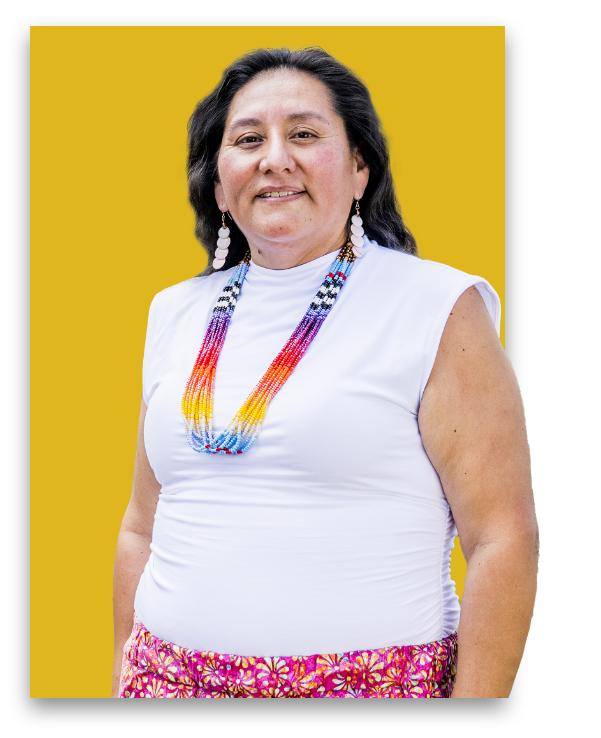
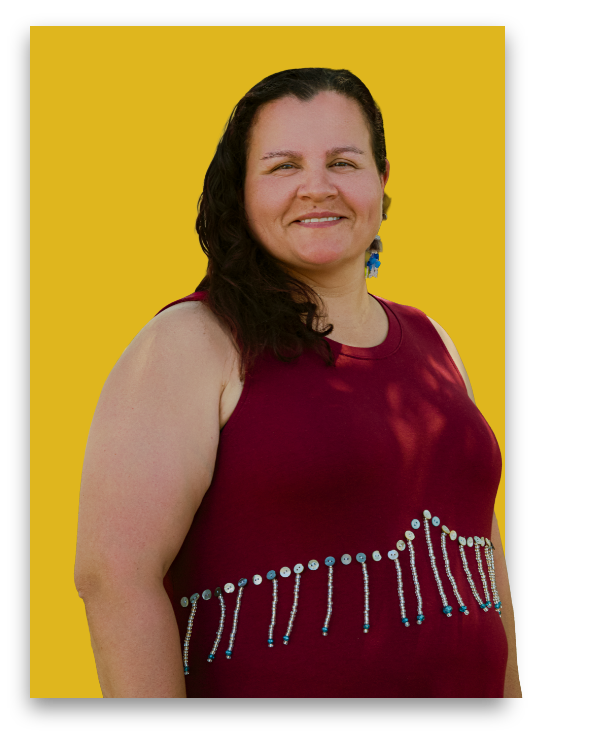
Meet Sasha

Tlingit and Alutiiq, Iḷisaġvik College

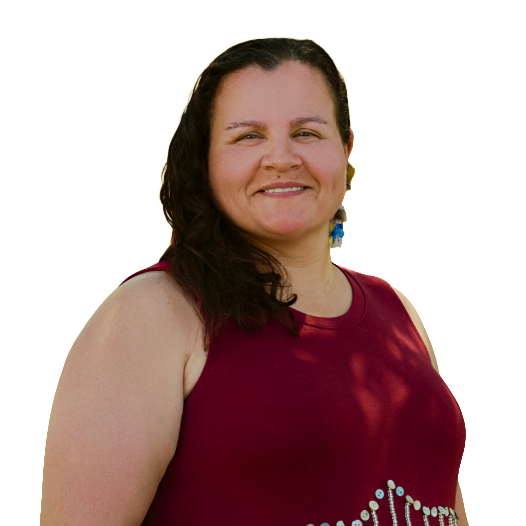
Sasha (Tlingit and Alutiiq) found her path to education after making the difficult choice to leave an abusive relationship that had stripped her of her voice and identity for over two decades. She was determined to achieve more than “any job” and, after earning her GED with impressive scores, she began college at Iḷisaġvik College.

Her pursuit of a Business degree is highly intentional, focused less on a title (though she has varied ideas from opening a learning center for neurodivergent learners to working in higher education administration) and more on the tangible outcome of independence. Her goals are concrete: to own a home, achieve financial stability, and rise out of the tax bracket where she qualifies for state-subsidized help.

Sasha views her educational journey – balancing college with working, parenting, and healing – as a collective effort, emphasizing that leaning on the right people is a strength, not a weakness. By showing up every day, even when it’s hard, she models resilience for her children, three of whom are now pursuing higher education themselves. Sasha’s ultimate purpose is to serve as an advocate, transforming her own story of being silenced into a powerful voice for survivors, ensuring they know they belong in spaces of healing and learning.

Meet Major

Wampanoag Tribe of Gay Head Aquinnah, Georgetown University

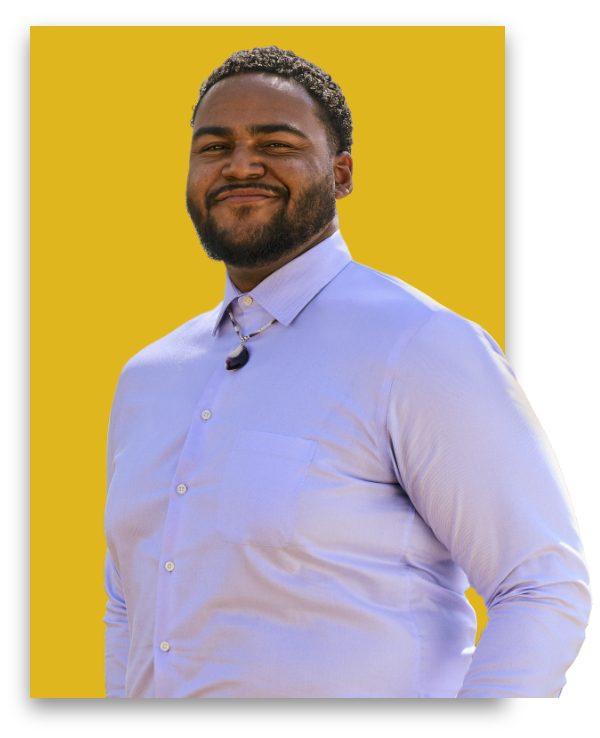
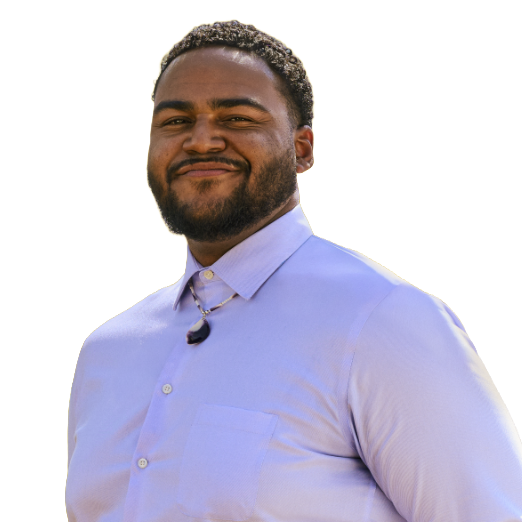
Major, a member of the Wampanoag Tribe of Gay Head Aquinnah from Martha’s Vineyard, is a recent Georgetown University graduate pursuing a Master’s in Biophysics and Physiology as he applies to medical school. His path to becoming a pediatric surgeon is driven by an intense, personal desire to reclaim control against tragedy.

That resolve was sealed one Thanksgiving Day when his mother – his rock and connection to his people – suffered sudden cardiac arrest and was clinically dead for two minutes. That moment shattered the illusion of her strength and spurred Major to dedicate his life to understanding the human body. He became a certified lifeguard at 14 and an EMT, seeking to fix problems before they ever had a chance to bloom.

His commitment expanded while tutoring Black and brown children in D.C. He realized his purpose was not just to heal bodies through surgery, but to serve communities that are too often left behind. Major carries the fierce, stubborn love of his ancestors – including a great aunt who survived the brutality of the Carlisle Indian Boarding School and a grandfather who bought the farm he worked as an indentured servant – as his greatest strength. Having overcome feelings of isolation and invisibility during his first years at Georgetown, Major’s mission is to use his love and skill to place the reins of life back into the hands of those who live it.

Meet Kianna

Navajo Nation, Columbia University

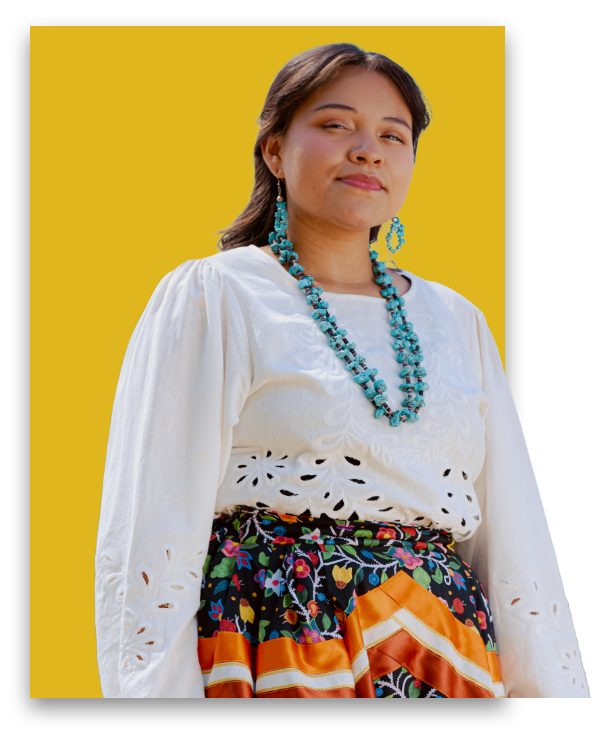
Rooted in the Diné philosophy that kinship is the foundation of life, Kianna (Navajo Nation) has dedicated her academic and professional life to fostering collective futures for Indigenous youth. Her family’s experience of struggling to balance work, school, and bills instilled in her the understanding that education is an opportunity to strengthen community.

After enduring systemic disrespect from non-Native teachers in her hometown, Kianna chose to pursue higher education at Columbia University in New York City. The transition from a tight-knit community to a university where professors were unaware of Indigenous student presence was emotionally taxing, making her fear becoming “another statistic of a college dropout.” However, finding a handful of other Native students was pivotal; together, they worked to ensure no student would feel invisible again. Her advocacy led her to establish the university’s first Indigenous student space.

With degrees in Political Science and Educational Policy, Kianna is now applying her expertise at the national level. She serves as a fellow supporting Indigenous-led conservation and works to build youth-centered green career programs, channeling her education and experience into policy impacts for her own community and Tribal Nations nationwide. For Kianna, education is a tool to correct a larger, unfair system and advance the Diné principle of Hózhó (harmony) for all.

Meet Christopher

Karul Tribe of California, American University

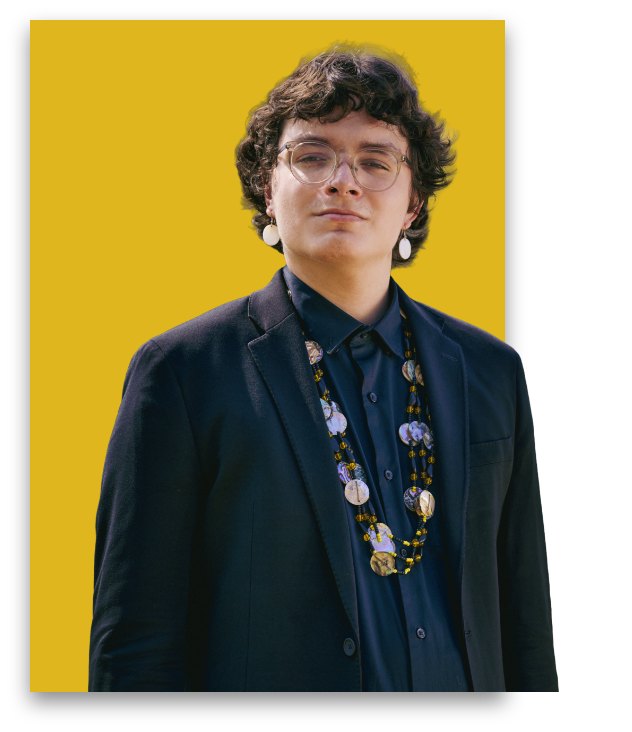
Christopher, an enrolled member of the Karuk Tribe of California, is on a mission to dismantle the apathy he sees in the legal and political systems by bringing his lived experience and empathy to the forefront. Christopher is currently studying Legal Studies and Public Administration at American University, preparing for the pursuit of his Juris Doctorate and a future in politics.

His passion for law is deeply personal. Christopher spent nearly four years in the foster care system, with his life hinging on the decision of a single judge. Having been left out of the conversation as a child, he now dedicates himself to ensuring that Indigenous and marginalized people have a voice in the policies that shape their lives. His adoption by two gay fathers, made possible by a 2014 Supreme Court decision, further cemented his understanding of how profoundly law transcends the legal field and touches everyone.

Christopher’s goal is to be a turning point for the Indigenous community. He is committed to breaking barriers, given that Native Americans comprise less than one-half of one percent of all attorneys in the U.S. By becoming an attorney and policy advocate, Christopher hopes to make a direct impact on issues like the Indian Child Welfare Act and family policies to help keep Native children and families together. He views his education as a path to leave his community and country “better than I found it,” ensuring that, with support, he will not be the last person from his background to enter the legal field.

Meet Deanna

Navajo Nation, Haskell Indian Nations University

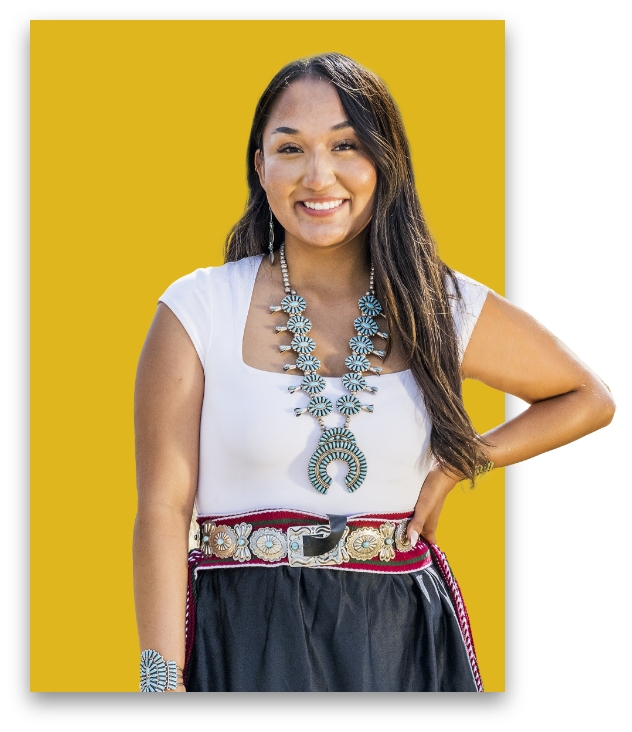
Growing up on the Navajo reservation in Blue Gap, Arizona, Deanna learned early in life that determination and focus are the keys to lifting oneself out of adversity.

Deanna’s chief goal is addressing the lack of opportunity and inequity of treatment of Native lands compared to non-Native rural areas. The legacy of Uranium mining on Navajo lands has affected her community deeply, with open mines responsible to this day for increased rates of cancer and respiratory disease, among stark mental health effects.

But Deanna will not let these challenges stop her from setting things right. Through her education in the Environmental Sciences program at Haskell, she aims to force change, to give hope to her younger self, and to correct the record when it comes to American Indian contributions.

She has risen above sexual assault, generational trauma, poverty, and chronic disease to bring her story to the world, and serve as a leader both on and off the reservation.

“I realize we cannot live in a system that is there to destroy us. After being silent for so long and enduring so much, I finally had enough. I am here to tell my story and encourage and guide other Native scholars on the path we all deserve, to take up space in the “white world.” I want to be able to grow and thrive as a tribe. We are here, we are persevering, we are human. We deserve to heal, and we deserve better.”

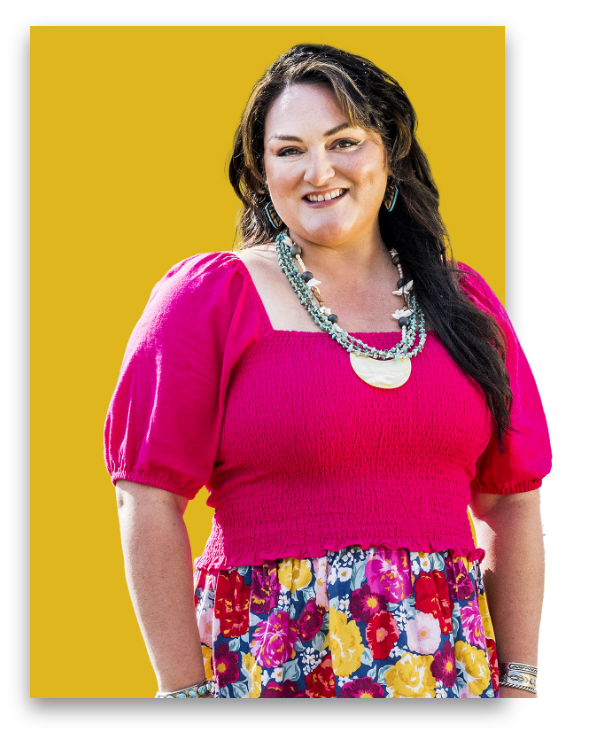
Meet Lisa

Blackfeet, Assiniboine Sioux, Blackfeet Community College

Lisa is in the final year of her bachelor’s degree at Blackfeet Community College, and is studying Social Work and Addiction Studies. Her motivation for pursuing her area of education rests in the challenges faced by her community every day.

The mother of 4, and the adoptive mother of 5 more, one of 7 siblings, and surrounded by aunts and uncles and grandparents, Lisa’s priorities have been firmly entrenched in family life, caring not only for her own, but others in her community as well. From a young age, the value of hard work was instilled by her grandfather, and Lisa continues to demonstrate that hard work is the key in creating opportunity, and forging her own future.

Seeing brothers and sisters succumb to alcoholism and substance abuse, Lisa aims to use her education to break the cycles of addiction that plague the reservation, and provide hope, compassion, and love to everyone she works with.

“I know change takes time. I used to say soon as I was educated, I was leaving our small town. I now have the mindset that my hometown needs me, and I am not going anywhere. I always felt that running away would be the best for me. Now I see what I can do, and I am running to my town. My future has me creating a safe space where individuals are free to be who they are. A space where I can provide counseling and resources.”

Meet Annalise

Cherokee Nation of Oklahoma, Haskell Indian Nations University / University of Kansas

Annalise is a fierce advocate for balance between man and the land we live on, and is seeking a future in which she can truly serve as a steward for the land. A PhD candidate at the University of Kansas, Annalise is resolved to becoming a true leader within her community, and an ambassador to the rest of the world, introducing Indian land-use values informed by cutting edge science.

Through her studies, Annalise has discovered the true scientific reasoning behind traditional Indian medicine – for example, that the Cherokee stories of cedar’s protective and purifying qualities contain lessons of plant phenology, photosynthesis, and seasonality, The marriage of Native land-use traditions to modern Western STEM allows her to bring her unique perspective to the world of science, and showcases the unique approach to climate change fostered in Native “steward of the land” thinking.

“I want to remind non-Indigenous humans of their relationship with the land and that they too are part of this world and not separate from it. I hope to teach at a TCU and let new Indigenous scholars know that they belong in STEM and that their aspirations for their communities are valid. Seeing the increase of Indigenous scholars in STEM gives me hope for the future that we will have a paradigm shift and that other humans will start to think more like Indigenous people.”

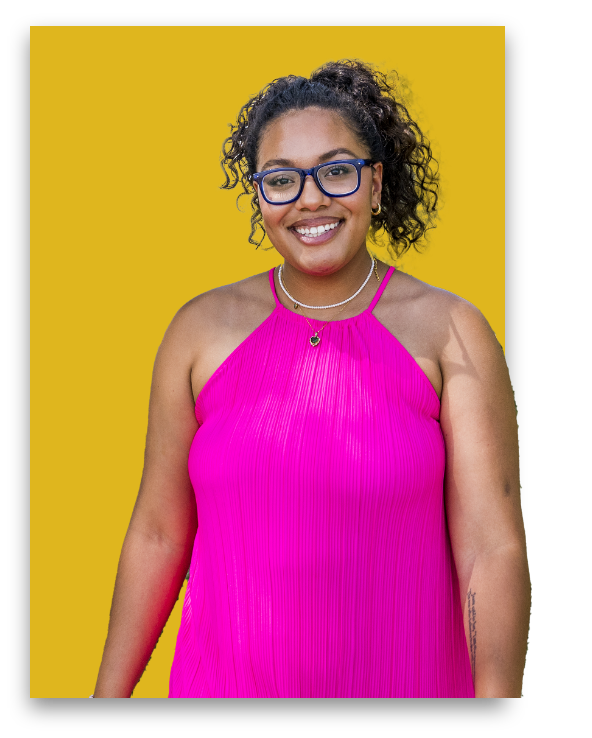
Meet Promise

Yankton and Santee Sioux, African, Sinte Gleska University

“Resilience is in my DNA,” says Promise, reflecting on her upbringing. Surrounded by instability, drug abuse, and a responsibility to protect her younger siblings, Promise views her education as proof that nothing will stop her from achieving her goals.

Promise was never expected to go college – beginning as early as middle school, teachers would tell her she was “too stupid” to go to a university, and not to bother trying. Later, she would skip school to work odd jobs to support her family, and believed that college was simply out of reach.

One day, she woke up, tired of the negativity that plagued her world, and decided to take a chance and apply to her tribe’s community college. Promise was not only accepted, but awarded scholarships, a moment that reignited her belief that anything was possible: for herself, for her community, for everyone.

Now a senior at Sinte Gleska, Promise is set to graduate in the spring with her bachelor’s in Special Education, and aims to become an empathetic and compassionate leader in early childhood education. Even through adversity and doubt, Promise says, “we are somebody, and we can achieve.”

“I will be the first person in my family to buy a house, I get to be the first person in my family to not be incarnated, I get to be the first person in my family to receive a master’s degree, I get to be the first administrator in my family. I get to build generational wealth for my family, I get to heal the hundreds of years’ worth of generational trauma. I pave the ways for all my relatives, my future Is bright like the stars at night on the Ihawnktowan lands where my feet were molded in the grass at my family’s cemetery.”
Earn an education, change the world

Each story below is grounded in real-life needs that exist today. And our scholarship recipients have big dreams and inspiring goals to help solve them and move their communities forward.

Learn How To Write Your Land Acknowledgement

We continue to advocate finding ways to celebrate and respect indigenous communities. One of the best
and accessible ways of doing this is to acknowledge the land that was originally connection to the
array of Native peoples.

Write Your Acknowledgement Today!

EXPLORE WAYS TO CELEBRATE TOGETHER

There are many ways to immerse yourself in Native culture and appreciation. From social dances to a virtual book club with our President and CEO, Cheryl Crazy Bull, everything you need is below. We have also included resources like discussion guides and videos to create a rich and interactive experience.